San Diego Reroofing Permits: When Roof Work May Require Approval
If you own a home in San Diego and your roof starts failing, the first question is usually about materials, cost, or timing. The permit question tends to come a little later, often after a contractor has already looked at the job. That is understandable. Roof work feels straightforward from the street. Tear off the old covering, install the new one, keep the rain out.
In practice, reroofing sits right at the point where simple maintenance can turn into regulated construction. In San Diego, reroofing and roof-covering renewal generally require a permit, and the city ties its rules to the California Building Code and California Residential Code, with local amendments. At the same time, some in-kind roof repair or replacement can be exempt in certain cases. That split is what confuses people.
The hard part is that homeowners often use the words repair, reroof, patch, and replacement as if they all mean the same thing. Building departments do not. Neither should contractors. A small, like-for-like fix may be treated one way. A broader roof replacement, or a new roof installation over a larger area, is another matter entirely.
Knowing where that line sits can save a lot of aggravation. It can also prevent a mid-project stop, a failed inspection, or a roofing system that does not meet code requirements for slope, underlayment, or structural load.
Why the permit question is not just paperwork
People sometimes think a roofing permit exists mainly so the city can collect a fee. That is not how experienced roofers or inspectors look at it. A permit is often the trigger for checking whether the roof assembly being installed is appropriate for the house, the slope, and the material selected.
That matters more than many owners realize. A roof is not just what you see from the curb. On a tile roof, for example, the system includes the tile, underlayment, fastening approach, and the conditions under which that material is allowed to be installed. California code requires tile to be installed according to manufacturer instructions, including slope and underlayment requirements. If someone treats the project as just swapping visible pieces, they can miss the most important part of the assembly.
The same idea applies to low-slope roofs. Around San Diego, people often describe these as flat roofs, even when they are not truly flat. Modified bitumen systems are common on low-slope applications, and torch-down roofing is one well-known way those sheets can be installed. But the code framework for low-slope membranes emphasizes drainage. Single-ply membrane roofs, for instance, must have a minimum slope of one-quarter inch in twelve for drainage. That requirement tells you something important about how regulators see roofing work. They are not only interested in what product goes on top. They are interested in whether the system can actually shed water.
When approval is required, that review can surface issues early. Sometimes that is annoying. Often it is cheaper than discovering after the fact that the chosen material was wrong for the roof, or that the roof deck and underlayment details were not handled correctly.
The practical dividing line: repair versus reroofing
Most confusion starts here. Homeowners ask, “I’m just replacing what’s there, so do I really need a permit?” Sometimes the answer may be no, but only in a limited sense.
San Diego recognizes that in-kind roof repair or replacement can be exempt in some cases. The key phrase is “in some cases.” That is not a blanket rule allowing all roof work without approval. Once the work becomes reroofing or roof-covering renewal, permit requirements generally apply.
In real life, that means scope matters. A localized repair after a leak around one vent is different from stripping and recovering the roof plane. Replacing a small damaged section with matching material is different from carrying out a full roof replacement across the structure. If the project is broad enough that you would reasonably describe it as reroofing, it should raise the permit question right away.
This is where homeowners get tripped up by casual language. A contractor might say, “We’re just replacing the old roof.” In everyday speech, that sounds modest. From a code standpoint, roof replacement can be exactly the kind of work that triggers review.
I have seen this confusion play out on older houses where an owner thought they were only refreshing a worn roof surface, only to learn that the city treated the work as a regulated reroof project. That is not a sign the city is being difficult. It is a sign that roofing systems are more than cosmetic finishes.
Situations that should put you on alert
Some projects are more likely than others to require formal approval or additional review. If any of these sound familiar, it is worth slowing down before materials are ordered.
- The work is a broad reroof or roof-covering renewal, not a minor patch.
- The project involves changing from wood shakes or wood shingles to a heavier roofing material.
- The building is older and may trigger special permit or historic review requirements.
- The roof system being installed has specific slope or underlayment rules, such as tile or low-slope membranes.
- The job is described as a full roof replacement or new roof installation rather than simple repair.
That second point deserves special attention. San Diego’s roofing bulletin notes that replacing wood shakes or wood shingles with certain heavier roofing materials can affect permit requirements. Even if a homeowner sees the project as an aesthetic upgrade, the added weight can change how the work is reviewed. Structural implications are exactly the kind of thing a permit process is meant to catch.
Older buildings can also involve a separate layer of complexity. The city notes special permit and historic-review triggers for some older structures. Owners are often surprised by this, especially if the house has had roof work before. But previous work does not guarantee the next project can move ahead without review. Historic concerns can attach to the building itself, not just to the owner’s plans.
Material choice can change the approval picture
This is one of the easiest places to make a costly mistake. A homeowner gets three bids, chooses the nicest-looking material, and assumes the only issue is price. Then the project runs into trouble because the selected roof covering is not a clean, like-for-like swap.
Take tile roofs. On paper, tile can seem simple. It is familiar in Southern California and looks timeless on the right home. Yet code does not treat tile as a decorative shell laid over whatever is underneath. California requirements tie tile installation to manufacturer instructions, and that includes slope and underlayment requirements. The underlayment itself must be selected from approved options. So even if the visible finish remains “tile,” the underlying assembly details matter a great deal.
That matters during reroofing because homeowners often focus on the top layer while the contractor is really rebuilding an entire weatherproofing system. If the underlayment is wrong for the application, or the slope does not suit the product, the roof can look fine on day one and still be a bad installation.
Low-slope roofs create a different version of the same problem. Modified bitumen is common, and torch-down systems are widely recognized in that category. But low-slope work is governed by drainage concerns. Water that lingers on a roof finds weakness. Code language around low-slope membranes reflects that reality by emphasizing slope and drainage performance. If someone proposes a membrane roof on a surface that does not drain properly, that is not a minor detail. It goes to the heart of whether the roof system is appropriate.
This is why permit review can be useful even when the owner is not changing the look of the house. Two roofs can appear similar from below and perform very differently once weather hits them.
What “in-kind” really means in practice
The phrase “in-kind” gets used loosely, and that causes problems. Homeowners hear it and think any project that ends with the same appearance qualifies. That is too simplistic.
An in-kind repair or replacement usually implies a limited scope and a close match to what existed, without turning the work into a larger reroofing project. The moment the scope expands, or the assembly changes in a meaningful way, you are drifting away from the kind of work that may be exempt and toward the kind that generally requires a permit.
There is also a practical judgment component. If the old roof has widespread failure, brittle underlayment, drainage problems, or mismatched past repairs, calling the project a “repair” does not change what it really is. In the field, experienced roofers can usually tell within minutes whether a roof has reached the point where patching is just delaying the inevitable.
That does not mean every small repair needs to be treated like a major construction job. It means the label should match the scope. If half the roof is being addressed, if multiple sections are being stripped, or if the material system is changing, most professionals would stop talking about simple repair and start talking about reroofing.
Drainage and weather protection matter during the work, not just after
One point that rarely gets enough attention is what happens while the roof is open. California code materials emphasize keeping roof drainage functional during construction and protecting roof assemblies from water intrusion. That may sound obvious, but it becomes very real on a reroof job.
A crew can tear off old material in the morning under clear skies and still run into trouble if the roof is left exposed, drainage paths are blocked, or underlayment is not protected properly. In roof installation cost a place like San Diego, owners sometimes get casual because the climate feels forgiving. Most of the year, that confidence is rewarded. Then one unexpected storm or one night of marine moisture finds the weak spot.
This is another reason permit-regulated work often carries value beyond the paperwork itself. It keeps the focus on the roof as an assembly that must remain functional through the construction process, not just after the final cap or ridge piece goes on.
I remember a homeowner once telling me, “We’re in San Diego, it never rains when it matters.” Every roofer who has had to tarp a torn-off section by flashlight knows better. Water does not need a dramatic storm to damage exposed sheathing, insulation, or interior finishes. A little moisture in the wrong place at the wrong time is enough.
Older homes can be a category of their own
San Diego has many neighborhoods where the age and character of the housing stock are part of the appeal. Those homes often come with roofing decisions that are not as simple as choosing a color from a sample board.
The city notes special permit and historic-review triggers for older buildings. That means owners of older properties should be especially careful about assuming a roof replacement is routine. Even if the roof is clearly worn out, the review process may involve considerations that do not come up on a newer tract home.
Sometimes the issue is the appropriateness of the replacement material. Sometimes it is the building’s age or status. Sometimes the complication only appears once someone starts looking closely at the scope. The lesson is not that older homes are impossible to reroof. It is that they deserve a little more planning at the front end.
For owners, that usually means having a more detailed conversation before the job is scheduled. For contractors, it means resisting the temptation to treat every reroof like a commodity project.
A smart way to approach the permit question
Homeowners do not need to become code experts. They do need to ask the right questions before signing a contract. If the answers are vague, that is a warning sign.
- Ask whether the work is being treated as a repair, a reroof, or a full roof replacement.
- Ask whether the material is changing, especially if the new covering is heavier than the old one.
- Ask whether the roof type has slope or underlayment requirements that affect the job.
- Ask whether the age of the building could trigger special review.
- Ask how the roof will be protected from water intrusion while the work is underway.
Those questions do two useful things. First, they force clarity on the project scope. Second, they reveal whether the contractor is thinking beyond the surface material. A good roofing professional will not be irritated by these questions. They deal with them every day.
One of the clearest signs of trouble is a bid that talks only about shingles, tile, or membrane and says almost nothing about the assembly, drainage, or permit status. Roofing done right is never just about what goes on top.
Where homeowners often make bad assumptions
The most common bad assumption is that matching the old material means no permit is needed. Sometimes in-kind work can be exempt, but that is not a safe rule for broad projects. Scope still matters.
The second bad assumption is that a roof is mostly decorative. It is easy to think that way because roofing is visible and often chosen for curb appeal. Yet code focuses on what happens beneath the surface, especially underlayment, slope suitability, drainage, and system compatibility.
The third bad assumption is that low-slope roofs are simple because they look flat. In reality, low-slope assemblies can be unforgiving. Drainage is critical, and the acceptable installation details are not optional.
The fourth is that a contractor’s confidence equals approval certainty. Some roofers are excellent. Some are optimistic. Those are not the same thing. On projects involving older homes, heavier materials, or full reroofing, confidence should be backed by a clear understanding of the approval path.
The bigger picture for roof installation and roof replacement
Whether you are planning a roof installation on a low-slope addition or a roof replacement on a tile-covered home, the permit issue is really about matching the work to the building and the code framework. That sounds dry until you have to live under the result.
A properly reviewed reroof project is more likely to account for underlayment, drainage, slope, and material compatibility. It is more likely to catch cases where the building’s age triggers historic review. It is more likely to address situations where switching from wood shakes or shingles to a heavier material changes the stakes. And it is more likely to keep the roof protected while work is underway.
None of that guarantees a painless project. Roofing is messy, expensive, and sometimes disruptive. But the right approval process reduces the odds of the kind of mistake that stays hidden until the first leak, the first wind-driven rain, or the first resale inspection.
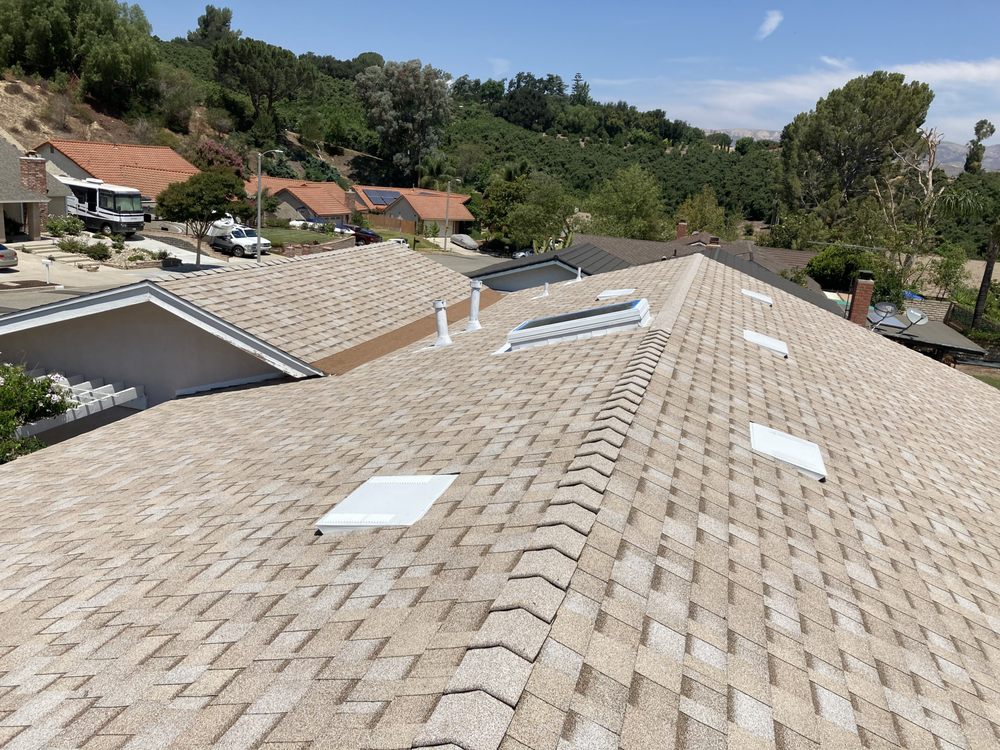
For most San Diego owners, the safest mindset is simple. If the work is more than a minor, like-for-like repair, do not assume it is exempt. If the project is a reroof, a roof-covering renewal, a substantial roof replacement, or a material change, treat permit review as a live issue from day one.
That approach may add a step up front. In my experience, it usually saves far more trouble than it creates. A roof only has a few jobs, but it has to do them flawlessly. Keeping water out, shedding it correctly, and staying matched to the structure are not details. They are the whole point.